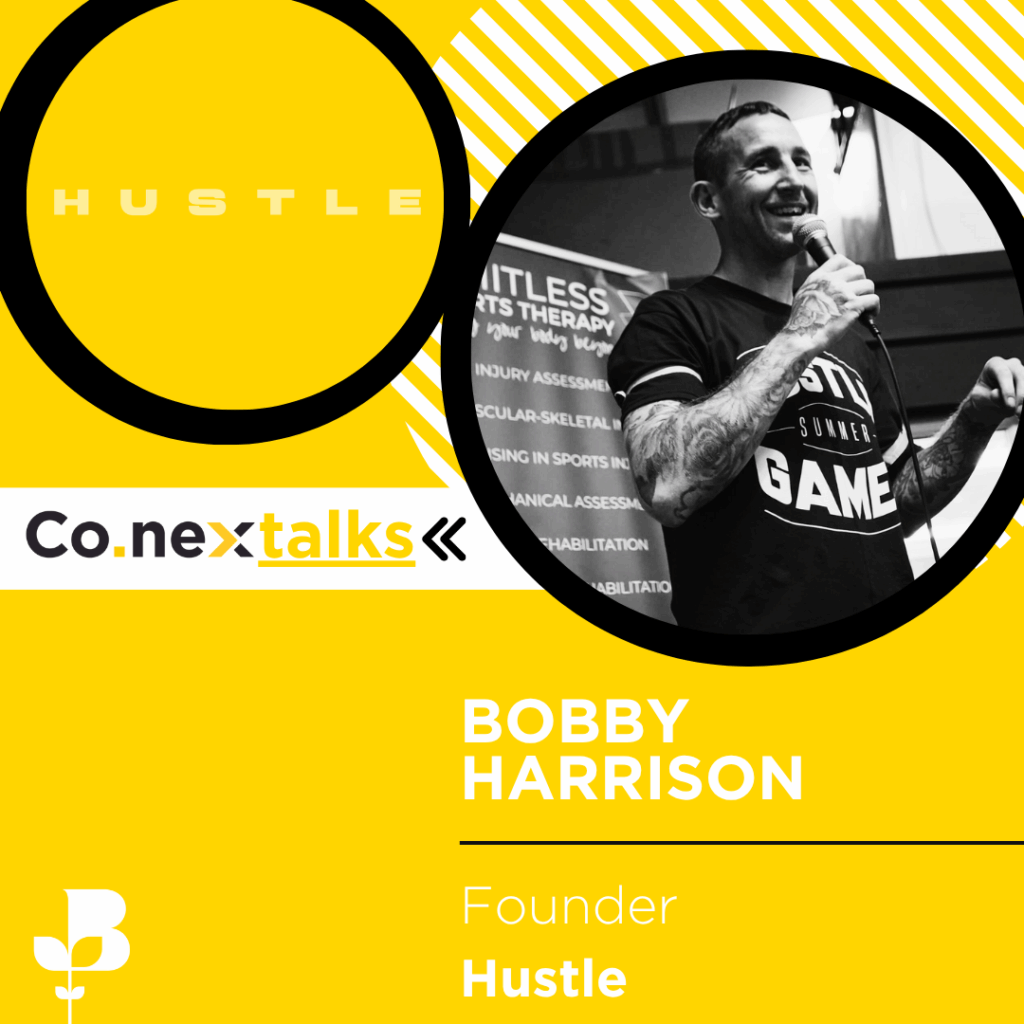
Bobby Harrison knows what it means to lose yourself in the pursuit of someone else’s definition of “making it.”
For years, he chased careers that looked successful from the outside — the job titles, the expectations, the appearance of progress. But beneath the surface, the cost was heavy: depression, self-doubt, and a growing distance from the life he actually wanted. It was only when he stepped away from the noise and turned toward small, meaningful side hustles that he began to rebuild on his own terms.
Bobby’s journey is not a highlight reel — it’s a human one. His talk explores how struggle can be a starting point, not an ending. How risk can be a teacher. And how redefining success from the inside out can restore purpose, resilience and direction. Today, Bobby is driven not by recognition, but by meaning — and by the freedom that comes when your life finally feels like your own.
His message is simple: growth isn’t about having it all together. It’s about refusing to stay where you fell.
? If this resonates, don’t just read about it – come be part of the audience shaping what’s next.
Join us at Co.nextalks this January 30th 9am – 12.30pm atThe Playhouse Theatre.
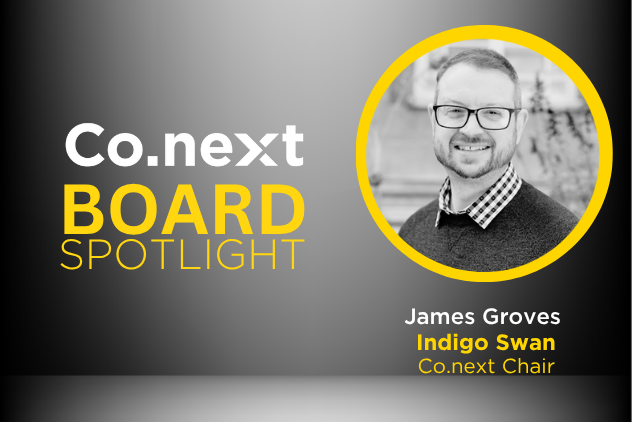
What first drew you to working in the energy industry? After the recession it was important to work in an industry where people would always need the service you provided. Everyone needs to turn the lights on. Its an interesting, fun, community based sector, where competition is fierce but collaboration is still present and no one day is the same.
What does a typical day at Indigo Swan look like for you? A difficult question to answer as no day is the same. My day is made up of strategic meetings, client meetings, problem solving, coaching and leadership of the business. This alongside being involved in the business community and key relationships with some of our key accounts and Directors at our supply network.
What skills do you think are most important for someone starting out in energy consultancy? Interest in energy, understanding the big issues the industry faces in the future, from net zero through to the fluctuating market. This alongside an immense willingness to learn. 15 years in and I learn something new in our sector every single day!
What changes do you think we’ll see in the energy sector in the next 5–10 years? As we go through the journey to Net Zero the changes will be vast. There will be changes to peoples metering, prices will go up and down and the infrastructure we have as a country will change considerably.
How do you see sustainability shaping your role or career? It is my career. My business and role are so linked to the world of sustainability, you cant ignore it. In fact you have to embrace it and allow you to think openly about innovation and collaboration. The world is changing and as businesses and people we have to lead the change or get left behind.
What’s the most exciting project you’ve worked on so far? Outside of the Swans it has to be Co.next. I love it, have so much passion for it and am so proud of the part it plays in the Chambers programmes and how many under 35s we have been able to empower, encourage and engage so far. Inside the nest my Swan Superstar programme where I personally guide, coach and nurture 4 of the Swans outside of the leadership team to be the leaders of tomorrow is something I am extremely proud of.
If you could give one piece of advice to someone entering the world of work, what would it be?
Be yourself. Personality will get you further than anything else. No one can teach you your personality. Shine bright, ask questions and work hard.
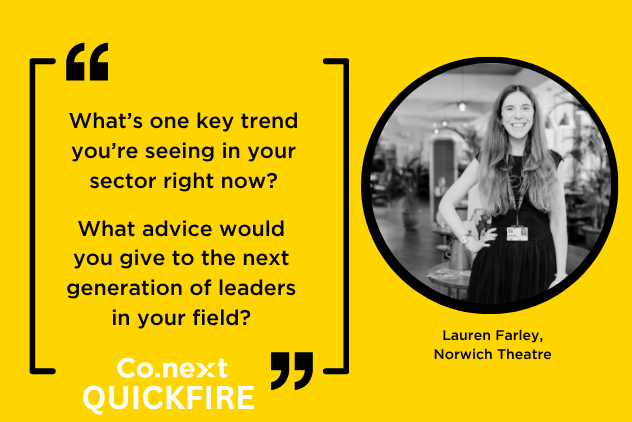
‘What’s one key trend you’re seeing in your sector right now?’
In the theatre, one key trend we are experiencing at the moment centres around people’s buying habits. As we first emerged from COVID people were only interested in buying tickets for shows with a very short lead time, for fears of cancellation and the uncertainty of returning to a ‘new normal’. In the current landscape many of our customers are now doing the complete opposite, and buying tickets with a much greater lead time, buying tickets for performances as far in advance as 13 months. I think with other cost implications theatregoers are facing, people are enjoying the idea of being able to buy and pay for something in advance of attending, and not then having to worry about it when the time of the performance comes. Plus with schemes such as our Pay in 3, we are always looking to work with these trends with our customers to make the theatregoing and buying experience as seamless and straightforward as we can, ensuring that audiences are still able to enjoy amazing performances.’
‘What advice would you give to the next generation of leaders in your field?’
See challenges as opportunities to push yourself out of your comfort zone. You are stronger and more resilient than you think, and you will always learn something from the experience even if it doesn’t go to plan or the way you expected. We fear the unknown, but when we push ourselves to step beyond our current experiences this will never be a bad thing. This is advice that I think relates to anyone, be you a new leader, or an existing one, but it’s always good advice to come back to.
Lauren is Business Development Manager at Norwich Theatre
Last week, Co.next had the privilege of being the Official Welcome Sponsors at the Norfolk Women’s Marketing Network Awards. It was more than just a title – it was a chance to reflect on what “welcome” really means, and why it matters so deeply in the professional world.
Why Welcome Matters
Networking events, conferences, even team meetings – we know they can be daunting spaces. Walking into a room full of people you don’t yet know can trigger nerves, self-doubt, and even a little imposter syndrome.
That’s why a warm welcome is so powerful. It lowers the barriers, makes people feel seen, and helps us show up more authentically. When we feel welcome, we are more open to listening, sharing, and connecting. And those small shifts change the whole energy of a space.
For young professionals especially, welcome is everything. It’s the difference between feeling like you’re on the edge of the room, or part of the conversation at the heart of it.
The skills of welcome
Creating a culture of welcome doesn’t happen by accident — it’s a practice. It’s built in the everyday interactions we choose to have. Here are a few simple but powerful “skills of welcome”:
Listening more than talking: Really hearing someone’s story is one of the warmest forms of welcome.
Body language that says “open”: Smiles, uncrossed arms, leaning in — they send powerful signals of inclusion.
Generosity in introductions: Offering to connect someone to another person, resource, or opportunity is a welcome that lasts long beyond the event.
Inclusive language: Swapping out jargon for plain, open words makes spaces feel less exclusive and more human.
Welcome as a practice
“Welcome” isn’t just the role of event hosts or organisers — it’s a shared responsibility. Leaders model it, peers reinforce it, and communities thrive on it. A culture of welcome is built when everyone takes ownership of creating it.
At Co.next, we believe this mindset is essential for growth. When young professionals feel genuinely welcomed, they step into their potential faster, build confidence, and contribute more fully. It’s how future leaders are shaped.
Carrying the spirit of welcome forward
Being Welcome Sponsors gave us the chance to shine a light on something simple yet transformative: every one of us has the power to make a space more welcoming. Whether you’re a first-time attendee, a seasoned leader, or somewhere in between, the aura you bring can change how others experience the room.
So here’s our invitation: at your next networking event, meeting, or coffee catch-up, ask yourself – How can I create more welcome here? It might just be the spark that helps someone else thrive.
At Co.next, we’ll keep building spaces where welcome isn’t just a greeting – it’s a culture. And we can’t wait to see how our community carries that forward.
At some point in every career, we all need a sounding board. A bit of clarity. A voice of experience that says, “Yes, I’ve been there – and here’s what helped me.” That’s the power of mentorship, and it’s at the heart of everything we do at Co.next.
Whether you’re launching a new idea, building confidence in your role, or simply wondering what’s next, the right mentor can make all the difference.
Why Mentorship Matters More Than Ever
Mentorship is more than advice. It’s connection. It’s having someone in your corner who listens without judgement, who shares their real-world experience—not just their highlight reel—and helps you find your own answers.
In today’s world of fast-paced change, remote work, and ever-evolving careers, mentorship offers what so many young professionals are looking for:
Human connection in professional spaces
A boost in confidence and clarity
Insight into industries, opportunities, and potential blind spots
Someone to remind you that you’re not alone
And it doesn’t have to be a lifelong commitment or a formal programme to be valuable. Sometimes one good conversation is enough to spark your next big move.
Introducing the Co.next Mentor Directory
We’ve built the Co.next Mentor Directory with accessibility and flexibility in mind. It’s a live list of incredible people from across Norfolk’s business community who are genuinely excited to support the next generation.
You’ll find:
Short bios that give you a feel for their style, sector, and story
Direct contact details so you can reach out in your own time
A mix of experience levels, backgrounds, and industries—from creative startups to corporate strategy
Forget rigid frameworks. This is mentoring on your terms. You can:
Drop someone a message and suggest a coffee or quick video chat
Use it as a resource when you hit a crossroad or need fresh perspective
Reach out to more than one mentor—every voice offers something new
The goal? To create a culture where asking for help is a strength, and sharing knowledge is the norm.
What Our Mentors Believe
Every mentor in the directory is here because they believe in the potential of Norfolk’s rising talent. They’ve experienced the highs and lows of career journeys – and they want to pass it forward.
One of our mentors, Chris, puts it like this:
That’s the Co.next approach. Real people. Real talk. No pressure. Just progress.
“So many people hold back because they’re afraid of getting it wrong. But when you create the right space – without judgement – you give people permission to explore, try, and grow.”
A pivot doesn’t always mean a big career change. Sometimes it’s about shifting your mindset. Other times, it’s about exploring a new direction.
This article explores both approaches.
Part 1: Pivot Your Mindset — Finding New Energy Where You Are
A career pivot doesn’t have to mean leaving your job. For those feeling stuck or uninspired, there may be room to grow and refocus within your current role or organisation.
1. Refresh your role Initiate conversations about the skills you want to develop or areas of the business you’re curious about. Many organisations welcome proactive development, especially when it supports business goals.
2. Take on a micro project Leading a new campaign, testing a new process, or shadowing a colleague can provide variety and a fresh sense of purpose. Small shifts can bring significant change.
3. Reconnect with your motivations Reassess what originally drew you to your role and whether your current work still aligns with your values and goals.
4. Learn something new Webinars, podcasts, articles, or industry events can provide fresh insights that reshape how you approach your current responsibilities.
Part 2: Pivot Your Path — When It’s Time to Explore Something New
If your role no longer fits your skills, values, or goals, it may be time to explore a different direction.
1. Role no longer offers challenge or growth Lack of learning or stimulation may indicate that a new challenge is needed to maintain engagement and development.
2. Emerging strengths and interests Side projects or new responsibilities might reveal capabilities that suggest a better fit elsewhere.
3. Aligning work with values More professionals are seeking careers that support sustainability, inclusion, and flexibility. If current roles don’t reflect personal values, a change may be appropriate.
How to pivot (either way)
Regardless of whether the change is internal or external, the following steps can support a smoother transition:
Audit your skills: Identify your transferable strengths by considering tasks you enjoy and excel in.
Update your narrative: Ensure your CV and LinkedIn clearly reflect how your experience connects to your desired direction.
Test the waters: Volunteering, side projects, or short-term collaborations can help assess fit before making larger changes.
Build your network: Norfolk has a growing network of professionals across sectors. Platforms like Collective, networking events, and professional groups can be valuable resources.
Final thoughts
Exploring a new direction doesn’t mean dissatisfaction or disloyalty – it’s often a sign of ambition and self-awareness. When employers and recruiters support growth – whether internal or external – it contributes to a stronger, more motivated workforce.
A pivot can take many forms: adjusting your mindset, reshaping your current role, or seeking something new. What matters is recognising your needs and taking thoughtful action.
Explore your own pivot CO.next is a space for young professionals in Norfolk to connect, share experiences, and shape the future of work. Join the network to take your next step.
Let’s be honest – feeling confident and being able to communicate well can sometimes feel like a moving target. Some days it flows. Other days, not so much. But when we do find our voice and trust it? That’s where real connection, progress, and positive change begin.
Whether you’re early in your career or you’ve been in your role for years, these two skills—confidence and communication – can quietly shape how we show up, speak up, and support the people around us.
Communication isn’t just about being good with words.
It’s about knowing how to listen, how to ask thoughtful questions, and how to get your message across in a way that feels true to you. It’s how we build trust, express our needs, and make things happen – together.
And confidence?
It’s not about having all the answers or being the loudest in the room. It’s about knowing your value, backing yourself even when things feel uncertain, and stepping forward anyway. It’s that quiet courage, the kind that helps you speak up in meetings, lead conversations, or just say, “I’ve got an idea.”
That’s why we’re running this Co.next workshop.
We want to create a space where you can grow these skills, without pressure or pretense. Just real talk, practical tools, and the kind of encouragement that reminds you – you’ve got more in you than you think.
At this session, we’ll explore:
How to communicate more clearly and confidently in everyday situations
Tips for handling tricky conversations or moments where nerves take over
Ways to build trust in your own voice (and actually enjoy using it!)
Confidence opens doors you didn’t even know were there.
When: July 24th 11.45 – 1.30pm Where: (Norfolk Chambers of Commerce Business Hub, Hardwick House
Let’s be honest. When you hear the word “networking,” it can conjure up images of awkward icebreakers, name badges, and people angling for sales leads over soggy canapés. But real networking? The kind that genuinely supports your career and helps you grow as a person? That’s built on something much more meaningful: authentic connection.
People, not prospects
At its heart, networking isn’t about selling yourself—it’s about showing up as yourself. Whether you’re at a breakfast event, on a paddleboard, or grabbing coffee with someone new, the most impactful relationships start when you ditch the pitch and lead with curiosity.
Ask questions. Listen more than you talk. Be open to learning from people with different experiences, industries, and perspectives. Some of the most valuable career moments happen when you make space for honest conversations, not transactions.
Networking doesn’t have to mean small talk
If the thought of traditional networking makes you nervous, you’re not alone. That’s why more and more people are turning to activity-based networking. Think paddleboarding, creative workshops, volunteering, or walking groups.
These experiences create a shared focus—something fun or interesting to do together—which naturally takes the pressure off. It’s a bit like a cinema date. Even if conversation doesn’t flow straight away, you’ve always got the movie (or the water, or the wobbly board moment) to talk about. It gives you an easy “in” and a way to connect that feels genuine and low-pressure.
Growing your circle, not just your CV
Authentic networking helps you build a web of support around your professional life. It could mean finding a mentor who gives you the nudge to go for that promotion, a collaborator who helps you bring an idea to life, or a peer who simply gets it on a tough day.
These relationships don’t always have immediate outcomes, and that’s okay. Sometimes the best networking moves are the slow burns—the ones that quietly build trust and spark ideas long before they lead to anything.
It’s not just who you know—it’s how you show up
Showing up authentically means being honest about what you’re curious about, what you’re trying to figure out, and even what you’re struggling with. It also means being generous with your time, your insight, and your encouragement. Because good networking is reciprocal. It’s not about collecting contacts, it’s about being one others are glad to have.
The takeaway? Just be you.
Forget the elevator pitch. The best approach to networking is a human one. Be curious, be kind, be real. Whether you’re early in your career or years into your journey, showing up as yourself will always be your greatest asset.
Disclaimer: Co.next events are designed with a focus on supporting and empowering individuals under 35 — but they are open to everyone. We warmly welcome participants of all ages who are interested in connecting, learning, and contributing to a vibrant and inclusive community.
Step into a morning of powerful storytelling and fresh perspectives, as Norfolk’s brightest innovators, changemakers and creative minds take the stage.
The morning will be packed with rapid-fire talks and real, raw stories from entrepreneurs, activists, and bright people who are shaping the future in their own inspiring ways.
Ticket Price £10 Members/£15 non-members
Our speakers will be released soon – watch this space
We recently hosted a brilliant session exploring how individuals with ADHD can embrace their unique strengths, work with their brains (not against them), and unlock their full potential in life and business. Led by Ian Hacon from Energise.me, this session was packed with practical advice, relatable insights, and real strategies that resonated deeply with our audience.
ADHD Looks Different for Everyone
Whether you’re inattentive, impulsive, hyperactive, or a combination of all three, understanding how ADHD shows up for you is the first step. This self-awareness allows you to better manage your day-to-day experience and create systems that actually work for your brain.
Managing Energy Highs and Lows
ADHD isn’t a constant — it’s a rollercoaster. Some moments are bursting with focus and creativity, while others feel like you’re stuck in the fog. Ian introduced energy mapping and hacks to honour your natural rhythms. One highlight? The “ADHD Eisenhower Box” — a game-changer for tackling urgent vs. important tasks without overwhelm.
Outsmarting ADHD Sabotage
We talked about common ADHD pitfalls like time blindness and task paralysis — and how to avoid them. Techniques like chunking, hacking your start button, and prioritising using urgency-friendly methods can help you move from stuck to unstoppable.
Health = Focus Fuel
Neglecting basics like exercise, sleep, hydration, and nutrition can seriously mimic or worsen ADHD symptoms. Just 30 minutes less sleep can impact your brain as much as being mildly drunk. From protein-packed snacks to walking meetings, the message was clear: your brain needs your body to be functioning if you want to perform at your best.
Your Neurodiversity Is Your Superpower
ADHD isn’t a limitation — it’s a difference. When managed well, it becomes a serious strength:
Hyperfocus = deep work mastery
Creativity = innovation and problem solving
Urgency-driven brains = calm leadership under pressure
Avoiding ADHD Burnout
Burnout can sneak up on neurodivergent minds. We explored five red flags — including hyperfocus hangovers and dopamine droughts — along with a toolkit for building resilience. Micro-recoveries, sensory resets, and even outsourcing your willpower with distraction-blocking apps were all encouraged.
Final Takeaway
“Your neurodiversity is your fingerprint — don’t try to erase it. Start building around it.”
This session wasn’t just about managing ADHD — it was about celebrating it, designing smarter systems, and finding your own path to success.
Ian Hacon, Founder of Energise.me is working towards a fuller ADHD programme to be launched early summer, and has limited capacity to take on personal coaching clients.
When you’re in your 20s or even early 30s, saving for retirement might feel like something far off your radar. Between navigating new careers, paying off student loans, and managing rent or mortgage payments, retirement can seem like a distant worry for “future you” to deal with. But when it comes to financial planning, one of the smartest moves you can make is to start contributing to your pension early, no matter how small the amount.
Here’s why paying into your pension at a young age is not just a good idea, but crucial to your long-term financial well-being.
Compound Growth
The earlier you start contributing to your pension, the more you can take advantage of compounding growth, which is essentially earning interest on your interest. Even small, consistent contributions early in your career will grow exponentially over time.
More Time Equals Less Stress
One of the key advantages of early pension contributions is that it spreads the financial burden over many years. Instead of scrambling to make large contributions later in life when expenses like mortgages or family commitments might peak, starting early allows you to contribute smaller amounts over a longer period. This gradual approach not only reduces financial stress but also makes your saving efforts more sustainable. As your career advances and your income grows, you can increase contributions with less strain.
Early pension contributions can save you stress later in life.
Employer Contributions
Many employers offer pension schemes that include a matching contribution, meaning they’ll match the amount you contribute up to a certain percentage of your salary. By not taking advantage of this when you’re young, you’re leaving free money on the table.
If you start early, you get more out of these employer contributions over the years. This can significantly boost your retirement fund without any additional effort on your part.
Flexibility Later in Life
Life is unpredictable, and having a well-funded pension means you won’t have to worry as much about financial security if unexpected changes happen in your career or personal life.
Contributing into your pension early will help you achieve your dream retirement.
Good Financial Habits
Starting a pension early in life also establishes good financial habits. Consistently setting aside money for retirement trains you to live within your means and prioritise saving. As your income grows, you’ll already be in the habit of saving, making it easier to increase your contributions and plan for other financial goals like homeownership, vacations, or investing.
The discipline of early pension contributions often spills over into other aspects of your financial life, helping you to become more conscious of budgeting, debt management, and long-term planning.
Even though retirement seems light-years away, think of contributing to your pension as a gift to your future self. Your older self will thank you!
How Can We Help?
Our retirement planning and pension review service is specifically designed to help you take charge of your own retirement plans. We will help you assess your current pension, if you have one, or multiple pensions and consolidate into one and advise on the next steps you should take based on your unique needs. Get in touch to find out more.
You can read this article and more like this from Bracnaster house here
Really think about what’s making you unhappy at work. This will help you shape your next steps.
Do you enjoy some parts of your job but not others?
Do you like your job but feel you need more to do?
Do you enjoy your job but feel ready for the next step? What does that look like for you—more responsibility, more technical work, or mentoring others?
Do you like your job but want/need to earn more?
In all these cases, your first step should be to speak to your boss. Prepare beforehand:
Identify what’s bothering you and explore your goals in depth.
Research other roles or duties within the company that align with your aspirations.
Think about how these changes would positively impact the business.
If you can show the value you add to the company, your chances of success increase significantly. Be realistic – companies often can’t implement changes overnight. Work towards an agreement with specific milestones and goals over time.
2. Assess Relationships with Your Boss, Team, or Company
If the issue lies with your boss, team, or company, ask yourself why. Understanding this will clarify what you’re looking for in your next role.
Knowing what you don’t want can be just as helpful as knowing what you do.
Consider how to articulate these feelings positively—no one wants to hear you bad-mouth your current workplace.
Try speaking to your boss about the challenges you’re facing.
Plan your points carefully to present them fairly and constructively.
If needed, write notes to organise your thoughts.
If you work in a larger organisation, you might explore transferring to a different team. Reach out to the hiring manager and explain your circumstances and motivations.
3. Understand If It’s a Job Misfit
If you don’t like your job at all, consider what aspects you dislike and what you’d enjoy doing instead. Identifying this might take effort, but it’s worth it.
Switching careers often requires significant changes, so be prepared:
Research your interests, motivations, and long-term goals.
Investigate new career paths: What training will you need? How can you acquire it? How long will it take?
You may need to stay in your current role temporarily to fund your transition.
In cases where transferable skills are lacking, you might have to start at a more junior level, potentially with lower pay. Plan accordingly.
4. Leverage the Power of Conversatio
Talking things through with someone can unlock answers. Reach out to:
A friend, mentor, trusted colleague, parent, boss, or career adviser.
Grab a coffee and chat—it’s often the first step to finding clarity.
Final Thoughts:
If you’re unhappy at work, try finding small positives in your day-to-day:
A customer you helped, a chat with a colleague, praise for a job well done, or even just the pay cheque at the end of the month.
Acknowledge the progress you’re making towards change.
Staying in a negative mindset can harm not only your mental health but also your relationships and reputation.
I hope this helps if you’re considering your career options. Happy job hunting—whatever that may look like for you!